

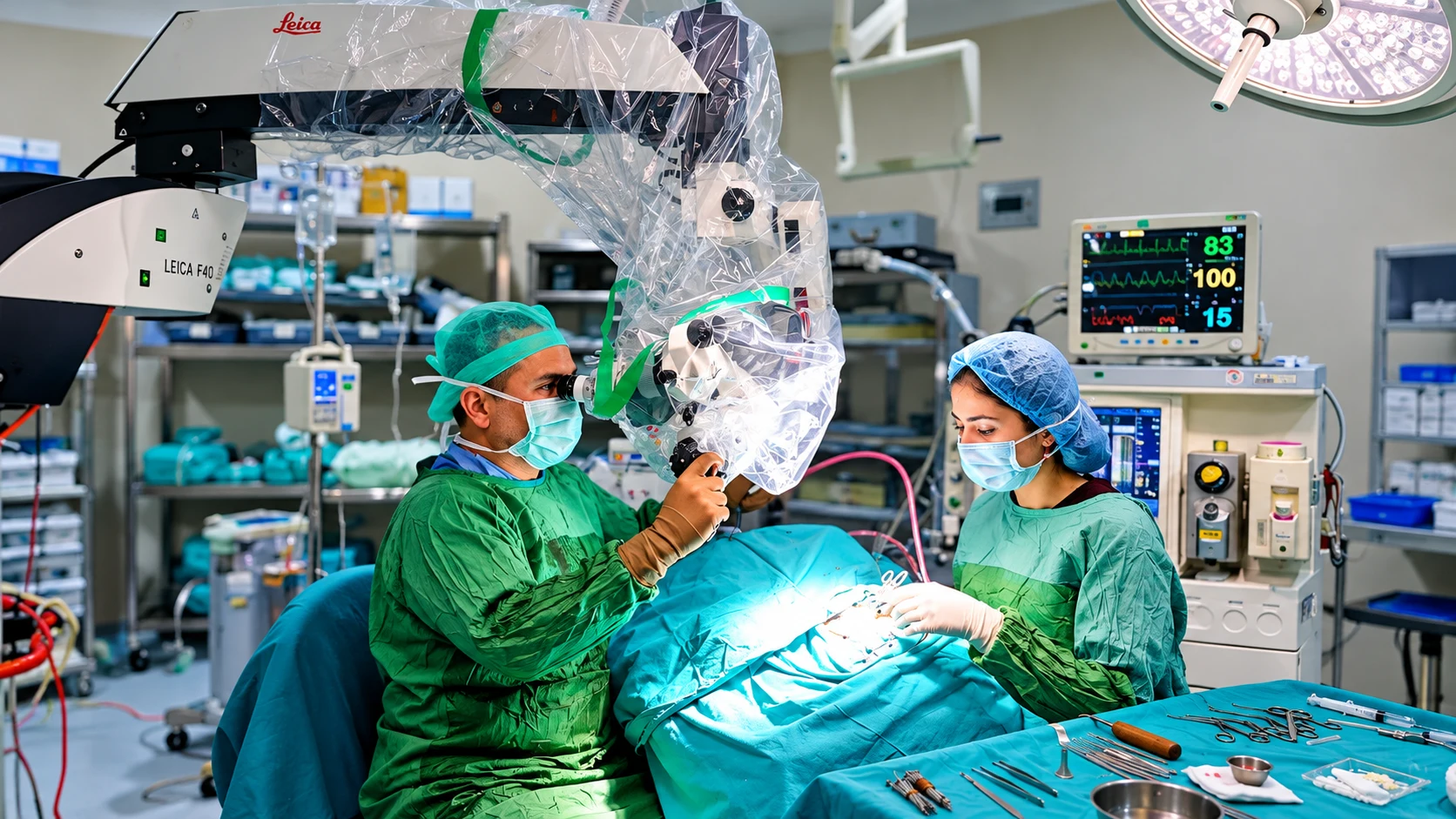
Eustachian Balloon Tuboplasty
Eustachian Balloon Tuboplasty: Eustachian Tube is a canal that adjusts the pressure of the ear between the middle ear and the nasopharynx. Eustachian dysfunction is present in some inner ear balance system diseases. Especially in vertigo that does not go away with repetitive medical treatment and maneuvers, if there is eustachian canal dysfunction, it is a treatment that we apply and we get very effective results. At the same time, a long-lasting ventilation tube is attached to the ear. We get very satisfactory results in the prevention of attacks, which we also apply in Menire's Disease, which is mentioned below.
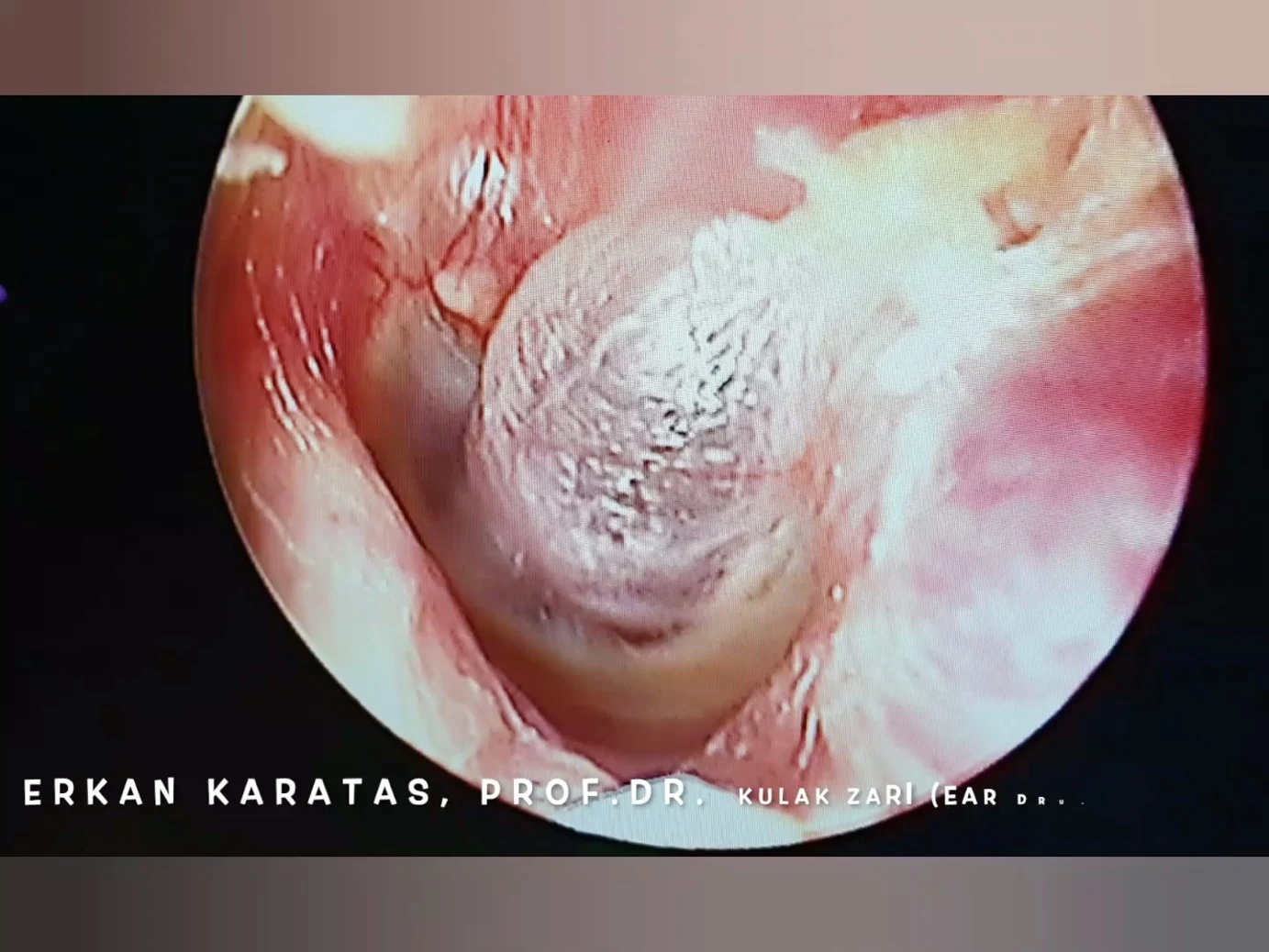
Meniere's Disease
MENIERE'S DISEASE: It was first described by Prosper Ménière in 1861. It is typically an inner ear disease characterized by 4 cardinal features: episodic rotatory vertigo attacks, fluctuating and progressive sensorineural hearing loss (SNHL), aural fullness/pressure, and tinnitus.
Intratympanic therapies are administered to patients experiencing recurrent severe attacks. Steroid injections are most commonly performed intratympanically. However, if attacks persist and hearing has deteriorated to a moderate-to-severe degree, intratympanic gentamicin therapy, which ablates residual vestibular function, may be initiated (Chemical labyrinthectomy). In this way, vertigo control is achieved, though permanent sensorineural hearing loss and tinnitus may persist.
In surgical interventions, endolymphatic sac decompression, endolymphatic sac shunting/tube placement, vestibular neurectomy, and tympanic ventilation tube placement are hearing-preserving procedures. The success rates of invasive and non-invasive surgical treatments are approximately 50-60%, with none having absolute superiority over the others. Surgical labyrinthectomy was historically performed for destructive purposes; however, today equivalent outcomes are achieved with chemical labyrinthectomy.
Perilymph Fistula
PERILYMPH FISTULA: An abnormal communication between the inner and middle ear resulting in leakage of perilymph or endolymph fluid. Leakage may occur via natural pathways through the oval or round window, or may originate from bony dehiscences. Sudden atmospheric or intratympanic pressure changes precipitate acute dizziness/vertigo, hearing loss, tinnitus, and nystagmus.
Fistula Test: When pressure in the external ear canal is increased using a pneumatic otoscope, vertigo and objective nystagmus are provoked in the patient. Treatment: Strict bed rest, elevation of the patient's head, laxatives, and anti-vertiginous pharmacotherapy are administered. Unresponsive cases require surgical middle ear exploration. Often the microscopic leak cannot be visualized directly, and all suspicious anatomical sites are obliterated with tissue grafts.
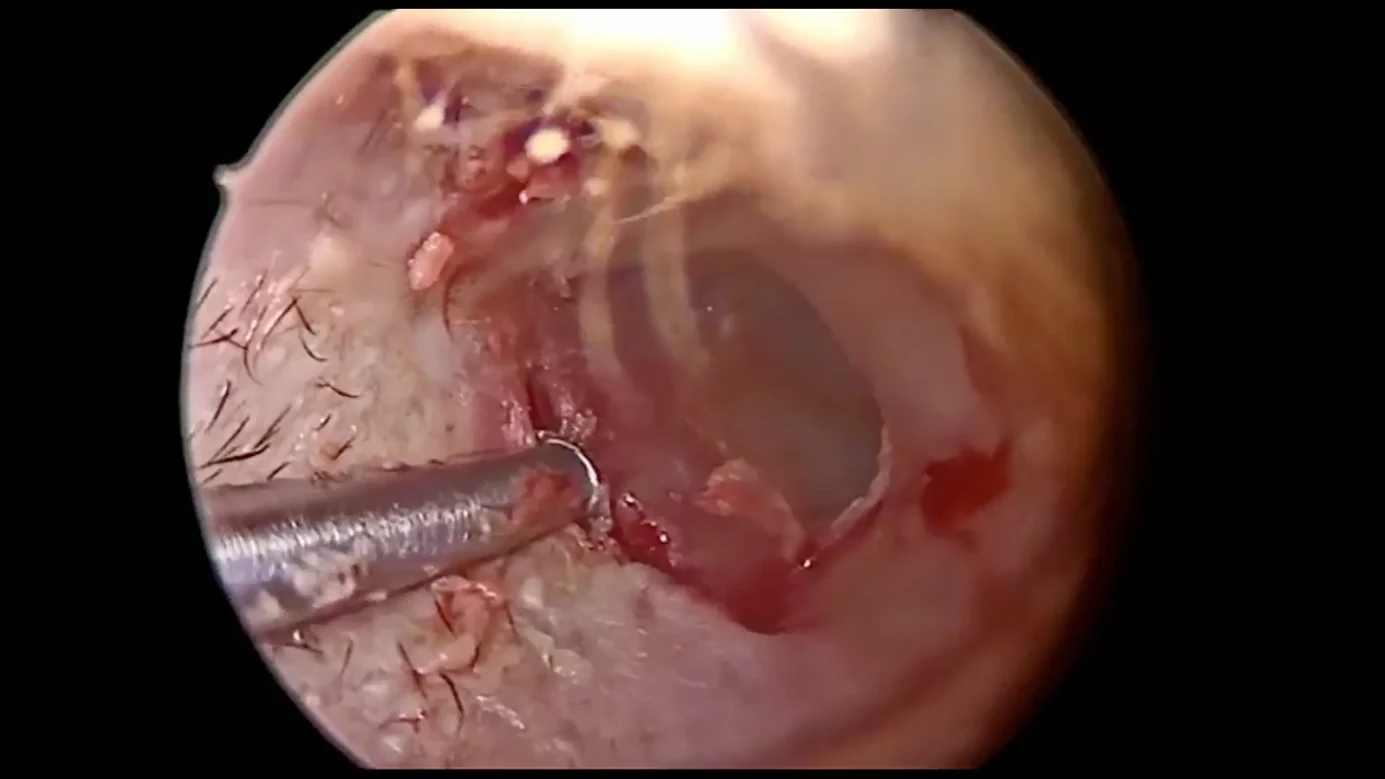
Temporal Fractures
TEMPORAL FRACTURES: Transverse fractures of the temporal bone resulting from blunt head trauma may cause severe vertigo if the fracture line extends across the vestibule or labyrinth, or iatrogenically following mastoidectomy and stapes surgery.
Otitis Media & Labyrinthitis
OTITIS MEDIA: Temporal bone and middle ear infections can cause labyrinthitis. Labyrinthitis is classified into two main types: serous or suppurative. Serous labyrinthitis occurs when bacterial toxins diffuse into and affect the inner ear, presenting with acute high-frequency hearing loss and vertigo. Suppurative labyrinthitis occurs when bacteria directly invade the inner ear structures. Severe vestibular and cochlear destruction ensues, leading to permanent functional sequelae. In chronic otitis media with cholesteatoma, if bony erosion develops over the semicircular canals or vestibule, severe vertigo occurs. Mastoidectomy and meticulous surgical obliteration of the pathology are performed.
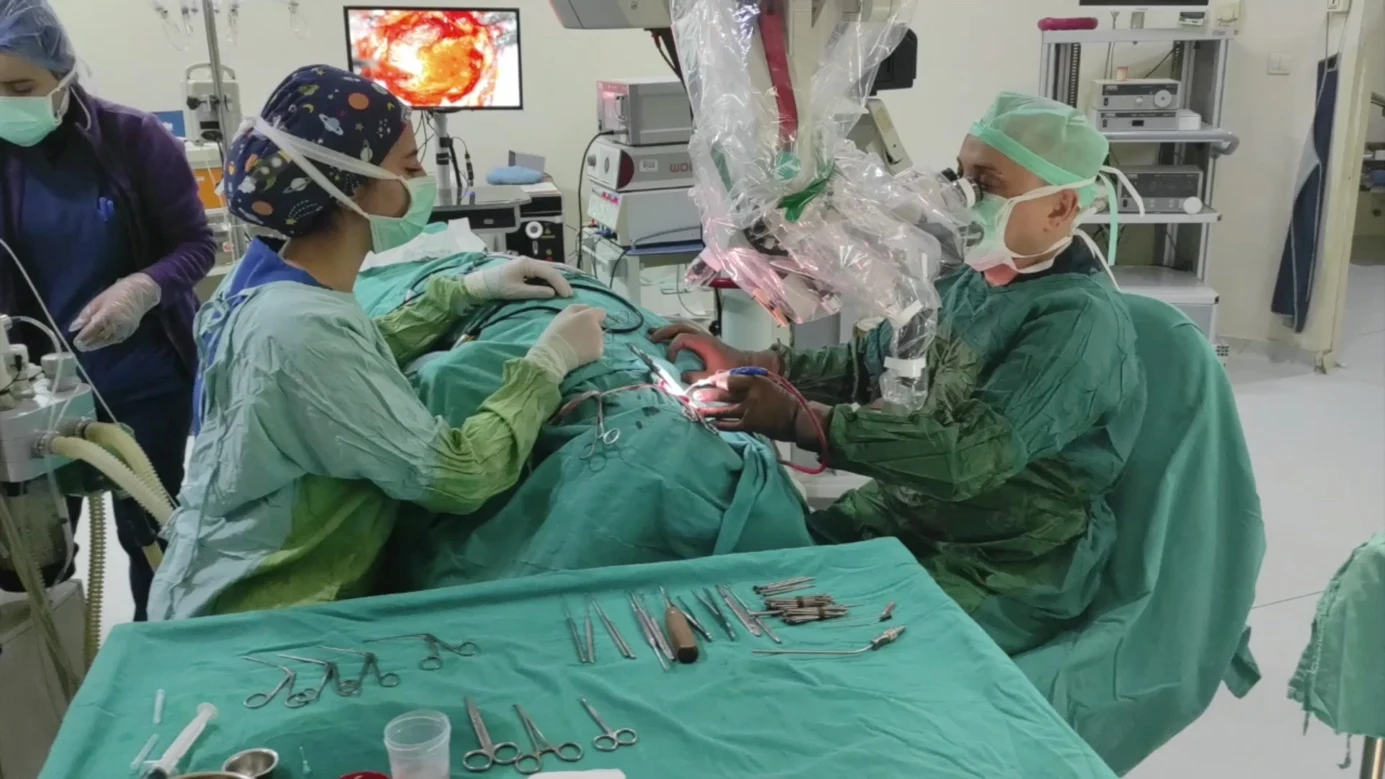
Tumors (Acoustic Neuroma)
TUMORS: Tumors arising in the cerebellopontine angle affect the vestibular nerve and cause vertigo. Acoustic Neuromas (Vestibular Schwannomas) are seen. The most frequent presenting symptom is unilateral progressive hearing loss. Tinnitus and dizziness/imbalance frequently accompany these symptoms. Hearing loss typically predominates at high frequencies (4-8 kHz). Even minute millimeter tumors can be visualized by gadolinium-enhanced cranial MRI. It most commonly arises from the superior division of the vestibular nerve. Because growth is typically indolent (2.5-4 mm/year), early symptoms may be insidious. When the tumor reaches a substantial volume (>2.5 cm), the facial and trigeminal cranial nerves become compressed. Tumor growth can be halted with CyberKnife, Gamma Knife, or stereotactic radiosurgery. If lesions demonstrate aggressive progression or create neurological mass effect, microneurosurgical excision is required.
Official Surgical Video Playlist
Watch on YouTube →You can access all endoscopic ear surgery, vertigo maneuvers, and inner ear surgical operation videos on our official playlist.