


Hearing loss is no longer a destiny. Thanks to the latest microsurgical methods offered by medicine and biomedical technology, it is possible to rebuild the world of sound even in the most severe congenital or acquired hearing losses. Our clinic applies advanced implantation and reconstructive surgical protocols tailored to each patient’s audiological profile.
Modern Surgical Approaches in Hearing Loss
The hearing mechanism is a seamless chain consisting of the outer ear, eardrum, middle ear ossicles, cochlea in the inner ear, and the auditory nerve. Surgical treatments vary depending on the anatomical region where damage occurs. In modern medicine, when conventional hearing aids are insufficient, advanced-technology implant systems step in to restore direct sound perception.
Our Current Hearing Loss Treatment Branches
.png)
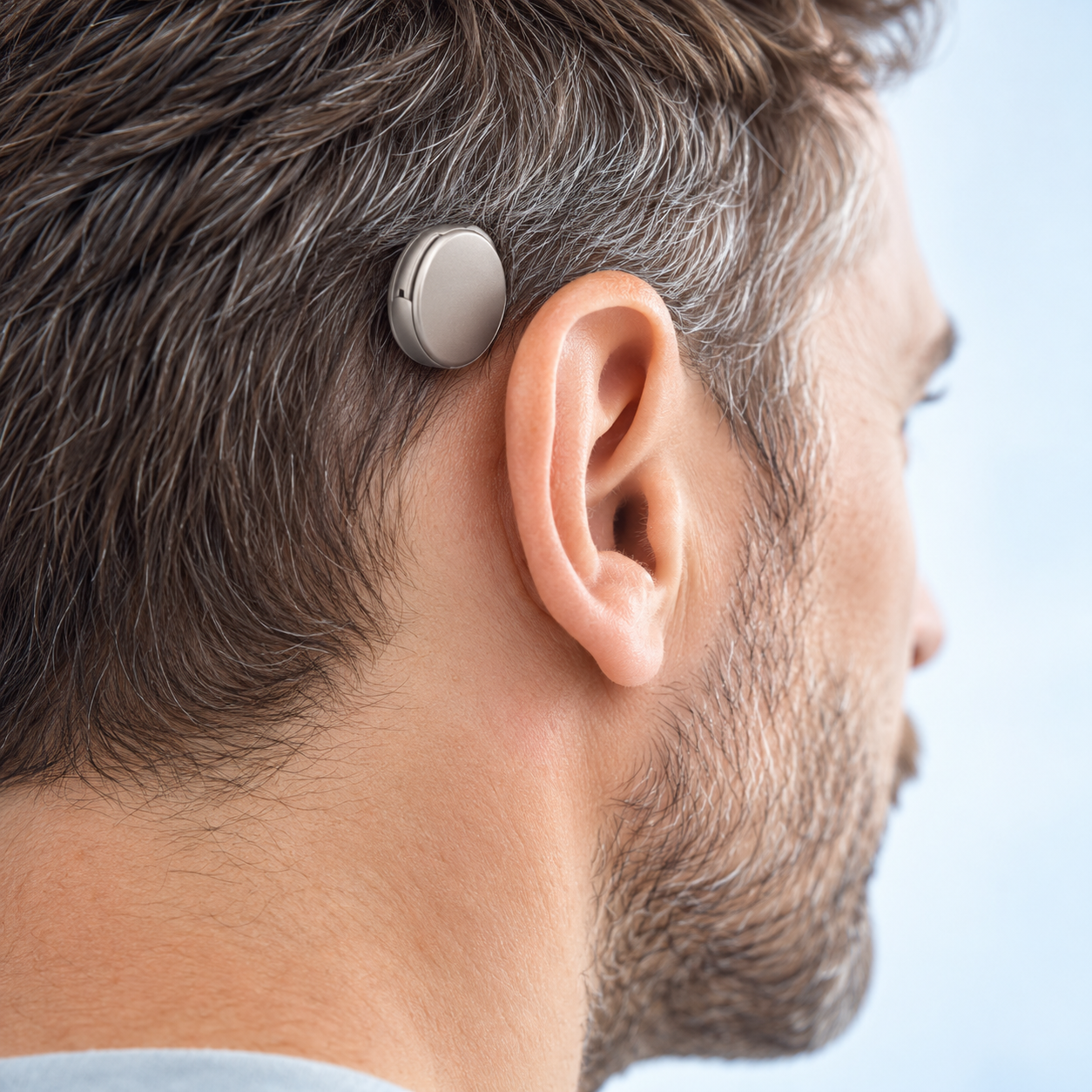
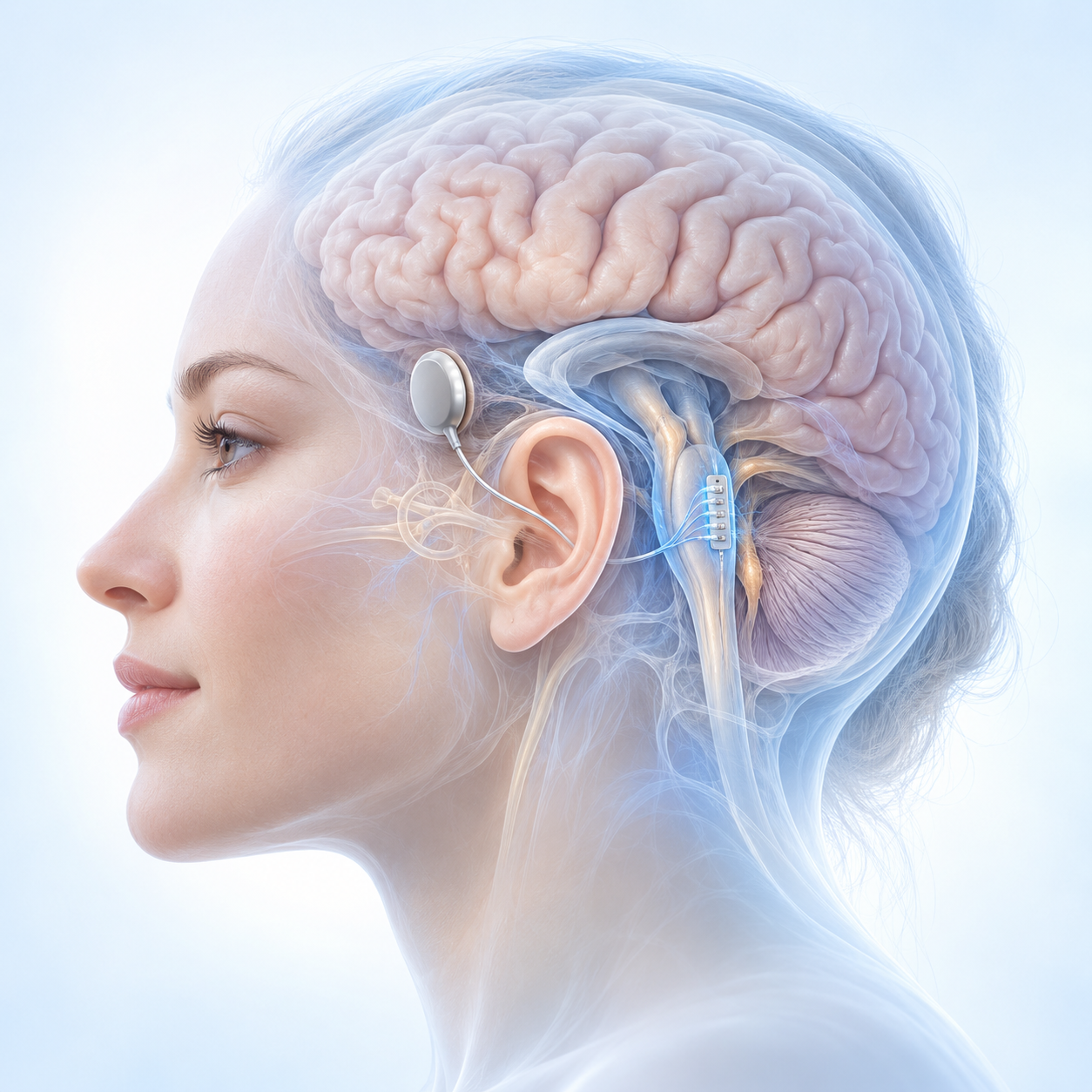
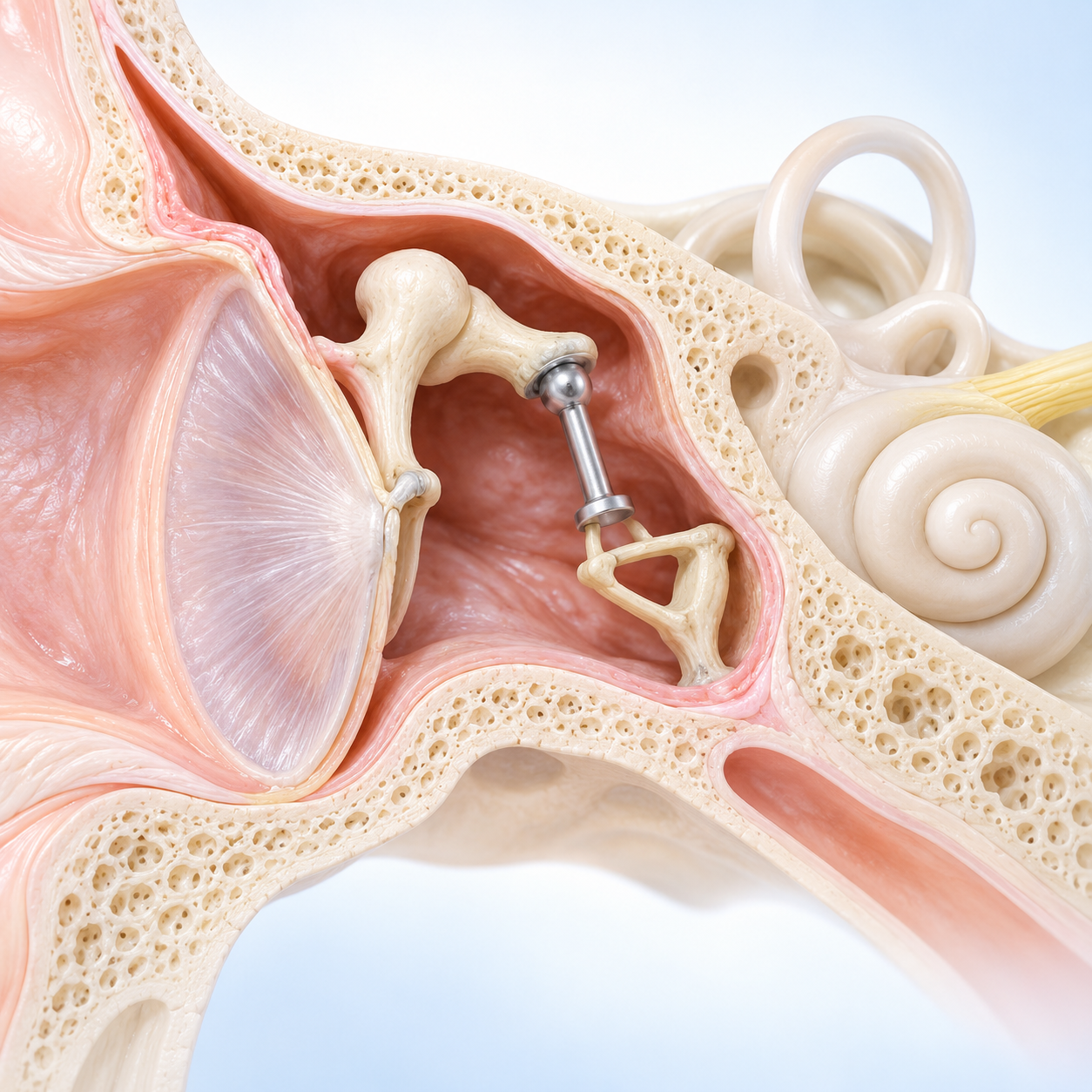
 Tedavisi.png)
Who Is a Candidate for Surgery?
- Patients who struggle to distinguish speech despite using conventional hearing aids
- Individuals with eardrum perforation and middle ear ossicular chain damage
- Patients who develop conductive hearing loss due to otosclerosis
- Infants and children diagnosed with congenital severe-to-profound hearing loss
- Patients unable to use in-ear hearing aids due to ear canal absence or chronic drainage
With over 25 years of surgical experience, thousands of successful implantations, and microsurgical procedures, we are by your side.